Communication & Interaction
Needs affecting communication, social interaction and the way a learner understands or responds to the world around them.
Autism • Speech & language difficulties
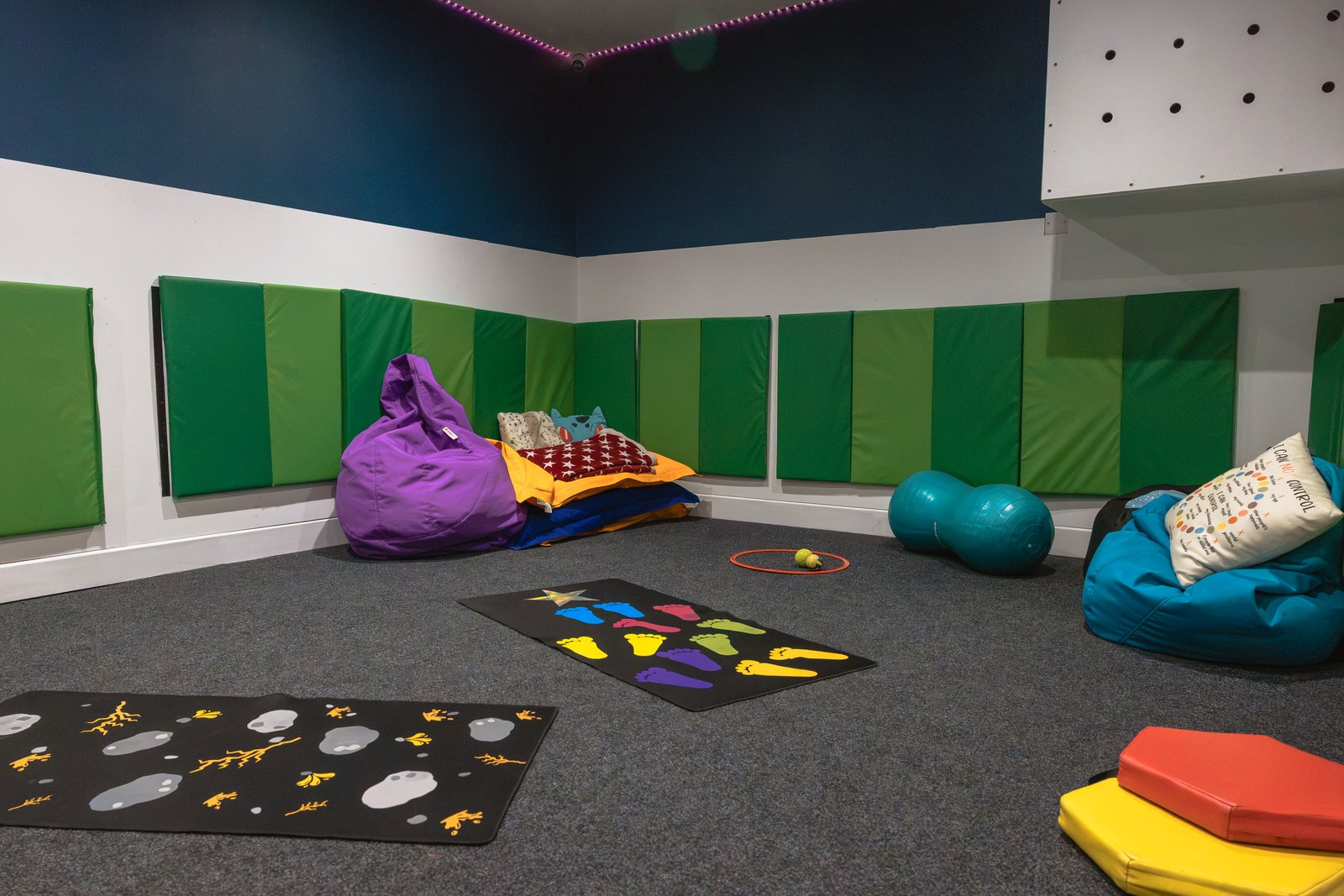
Understanding each learner, removing barriers and creating the right conditions for them to engage, progress and succeed.
Every learner brings their own strengths, needs, experiences and ways of accessing education.
At The Bridge, we work to understand those individual needs and provide the support, adaptations and high-quality teaching learners need to participate meaningfully in education.
Our approach is child-centred and responsive. We work closely with learners, parents and carers, referring settings, local authorities and other professionals to identify barriers, agree outcomes and review the support in place.
Learners do not automatically fit a predetermined programme. We consider their strengths, difficulties, previous experiences, desired outcomes and the adjustments that could help them access learning successfully.
SEND can affect learners in different ways. Our provision supports needs across the four broad areas identified within the SEND framework.
Needs affecting communication, social interaction and the way a learner understands or responds to the world around them.
Learners may need additional or different approaches to acquiring, processing, retaining or applying knowledge and skills.
Emotional wellbeing, regulation, attention and previous experiences can significantly influence a learner's ability to engage successfully with education.
Physical, medical or sensory differences may require changes to resources, environments, communication or the way learning is delivered.
We establish each learner’s starting point when they join us and continue to review their progress throughout their placement.
We place a strong emphasis on social, emotional and mental health development, recognising that feeling safe, building positive relationships and developing emotional wellbeing are essential foundations for learning.
We look at progress across a range of areas, including self-efficacy and confidence, emotional literacy, self-regulation, behaviour, attendance, engagement and the ability to build and maintain positive relationships. We consider the individual learner’s experiences, identify what is helping them to succeed and explore where further or different support may be needed.
Progress looks different for every learner. Decisions about additional support are informed by the wider picture, professional judgement, evidence over time, and the views and experiences of the learner and their family.
SEND support is not static. We use a continuous cycle to understand need, put appropriate support in place and evaluate whether it is making a difference.
Build a clear picture using assessment, progress information, observations, learner and parent views and professional advice.
Establish the outcomes being sought and agree the teaching approaches, adaptations and interventions required.
Put the agreed provision into practice, with teachers and support staff aware of the learner's needs and strategies.
Review the impact of support and interventions, celebrate progress and change the approach where necessary.
Parents and carers know their children in ways that no assessment can capture. Learners also need meaningful opportunities to explain what works for them, what they find difficult and what they want to achieve.
When targeted support is being considered, we involve learners and their families so that everyone understands the learner's strengths and difficulties, the outcomes being sought, the support proposed and the next steps.
We work with commissioners, local authorities and other key professionals to build the vital stepping stones allowing chidren to overcome the barriers to successful education.
High-quality teaching is our first response to SEND. From there, we adapt teaching, resources, staffing and the environment according to individual need.
Teaching style, lesson content, grouping and the level of adult support can be adapted to help learners access learning.
Learners may receive additional processing time, pre-teaching of vocabulary or instructions presented in different ways.
Visual timetables, coloured overlays, larger text and other recommended aids can be introduced where appropriate.
Resources and equipment can be adapted, including access to technology and specialist equipment where required.
Small groups and a high ratio of adults to learners allow staff to respond flexibly and provide individual support when needed.
Individual timetables can be created to introduce targeted interventions and support at the point it is needed.
SEND support does not always mean a complex intervention. Sometimes an appropriate adjustment to the environment, the structure of a task or the opportunity to regulate can make learning significantly more accessible.
Our class sizes are deliberately much smaller than their mainstream equivalent, with a higher ratio of adults to children. This helps staff understand learners well, recognise changes in presentation and respond more quickly when additional support is required.
Emotional and social development is not separate from learning - it can be what makes learning possible.
Our whole-provision approach is child-centred and responsive to learners' changing needs. Targeted social skills interventions can be incorporated into timetables and delivered at the learner's pace.
Boxall Profile underpins our SEMH work and identifies developmental areas and strategies to better support our learners in their current presenting area of need.
Provision should make a meaningful difference. We regularly review support so that approaches can be continued, adapted or changed.
When a learner moves to another provision, college or setting, effective information sharing can help make that transition smoother. We work with learners and parents to agree relevant information to share with the next setting so that appropriate support can continue. Where appropriate we support with visits and social stories.
Our Special Educational Needs Coordinator (SENCO) has day-to-day responsibility for the operation of our SEND arrangements and coordinates specific provision for learners with SEND, including learners with EHC plans.
The SENCO works with staff, families, local authorities and external agencies to help ensure learners receive appropriate support and high-quality teaching.
If you have concerns about your child's additional needs or the SEND provision they receive at The Bridge, please contact our SENCO in the first instance. We want concerns to be discussed openly and addressed as early as possible.